Why is my website not ranking on Google even though I publish high-quality content?
Why is your high-quality content still not ranking on Google? This article provides an in-depth analysis of common reasons why websites don't rank, including technical SEO, content competition, EEAT signals, backlink quality, indexing delays, and user experience optimization, helping you quickly identify problems and improve search visibility.

I. Why high-quality content may still not be ranked
Many website owners believe that as long as they write high-quality original content, Google will naturally give them good rankings. However, under the 2025 algorithm, content quality is only one part of SEO. Google's ranking system is more comprehensive, evaluating multiple factors such as a website's technical structure, authority, user experience, and content credibility.
II. 10 Common Causes and Solutions
1. Your website may not be fully indexed by Google.
Even if your content is high-quality, Google may not have crawled or indexed your new pages yet.
Solution: Submit the URL using Google Search Console and check the "Index Coverage" report to confirm whether it has been indexed.
2. High
-quality content targeting keywords with high search volume but extremely high competition may struggle to rank.
Solution: Choose mid- to long-tail keywords (e.g., "SEO tips for small businesses"), which have lower competition and are easier to rank for.
3. Insufficient EEAT signal
. Google values expertise, authority, and trustworthiness.
Solutions: Showcase author qualifications, add company address, cite authoritative sources, and build brand trust.
4. Low website authority or new site lacking trust:
New websites typically lack sufficient backlinks and historical data, requiring Google to evaluate them.
Solutions: Continuously publish content, acquire high-quality backlinks, and increase website activity.
5. Content lacks search intent matching;
articles may not match what users are actually looking for.
Solution: Analyze the content format of the top 10 search results (news, purchase, tutorials) and optimize the content structure to align with user intent.
6. Technical SEO issues such as
slow loading, mobile-unfriendly interface, and missing structured data can all negatively impact rankings.
Solution: Optimize speed using PageSpeed Insights and check mobile compatibility and Core Web Vitals.
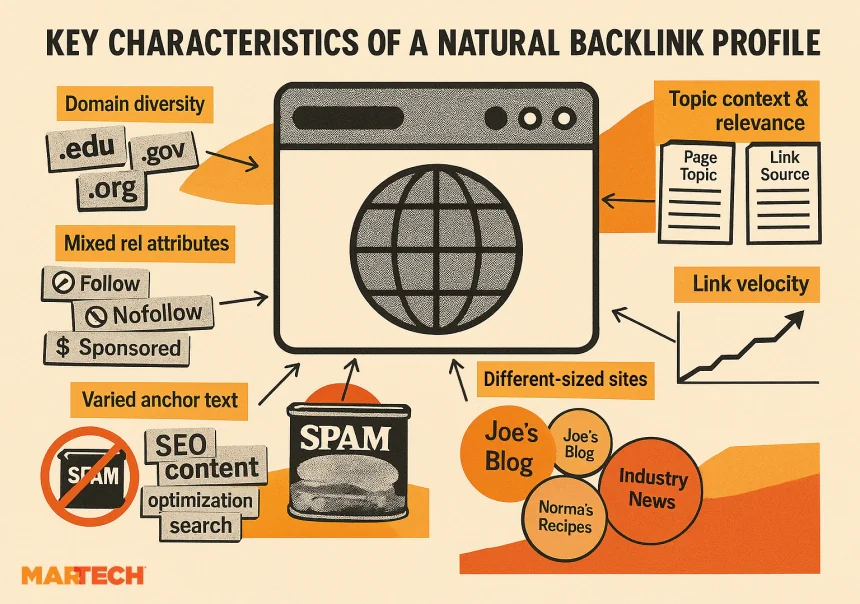
7. Poor quality backlinks,
spam links, or too few high-quality backlinks will result in insufficient website authority.
Solution: Build organic backlinks through guest articles, industry directories, and social media exposure.
8. Duplicate or Overly Similar Content:
Google dislikes duplicate content or multiple pages competing for the same keywords.
Solution: Design unique topics and titles for each article to avoid internal competition.
9. Lack of User Interaction Signals:
If visitors bounce quickly or stay for a short time, Google may deem the page low-value.
Solution: Add images, videos, FAQs, and subheadings to encourage users to stay longer.
10. Websites that don't consistently update
static content or haven't been updated for a long time are more likely to have their priority lowered by algorithms.
Solution: Regularly update old content, add new data, or perform trend analysis.
III. Conclusion
High-quality content is only the first step to SEO success. To achieve your desired ranking on Google, you need to optimize your content, techniques, and authority comprehensively. SEO is a long-term process of building trust, not a one-off blog post.