2025年最新VMware虚拟机安装macOS系统教程
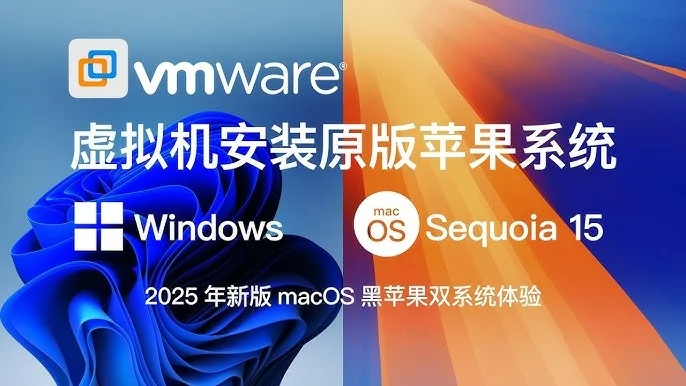
本教程将为你详细讲解如何在虚拟机VMware中安装苹果macOS系统,涵盖镜像下载、虚拟机设置、安装过程及常见问题解决,帮助你在Windows电脑上轻松体验Mac系统。

安装教程
先下载解锁工具unlocker
https://pan.ceacer.cn/LUAY8LElc6mNhLy/file
在 Windows 下请以管理员权限运行,资源管理器右键单击命令文件并选择“以管理员身份运行”
win-install.cmd 安装 VMware 破解模块
win-uninstall.cmd 卸载恢复破解
win-update-tools.cmd 用于升级最新版 darwin.iso 工具
安装苹果Mac系统方法一
用本站提供的系统包一键导入
系统包:https://pan.baidu.com/s/1krrvF91Xk85BY4oY6l8x7g?pwd=8848 提取码: 8848
导入教程,不用关教程什么系统按照教程导入即可,我这笔记本内存太小,就不亲自安装,因为我已经在台式机安装了,嘿嘿嘿
本站提供的系统包为10.12.5的版本,如果需要最新的可以往下看第二种方法


安装方法二
直接去网上找VMware虚拟机专用的Mac系统
可在https://macoshome.com/macos/7947.html查找最新系统
在VMware创建新虚拟机,选择apple mac

按照步骤执行,创建好了之后先不要着急运行,我们再找到生成的文件:

使用notepad++打开,在文件最后添加
搜索 ethernet0.virtualDev,改为ethernet0.virtualDev = "vmxnet3"

保存好之后,运行创建的虚拟机,
磁盘工具设置


等待安装完即可
Share
What was your reaction?
 Like
0
Like
0
 Dislike
0
Dislike
0
 Love
0
Love
0
 Funny
0
Funny
0
 Angry
0
Angry
0
 Sad
0
Sad
0
 Wow
0
Wow
0